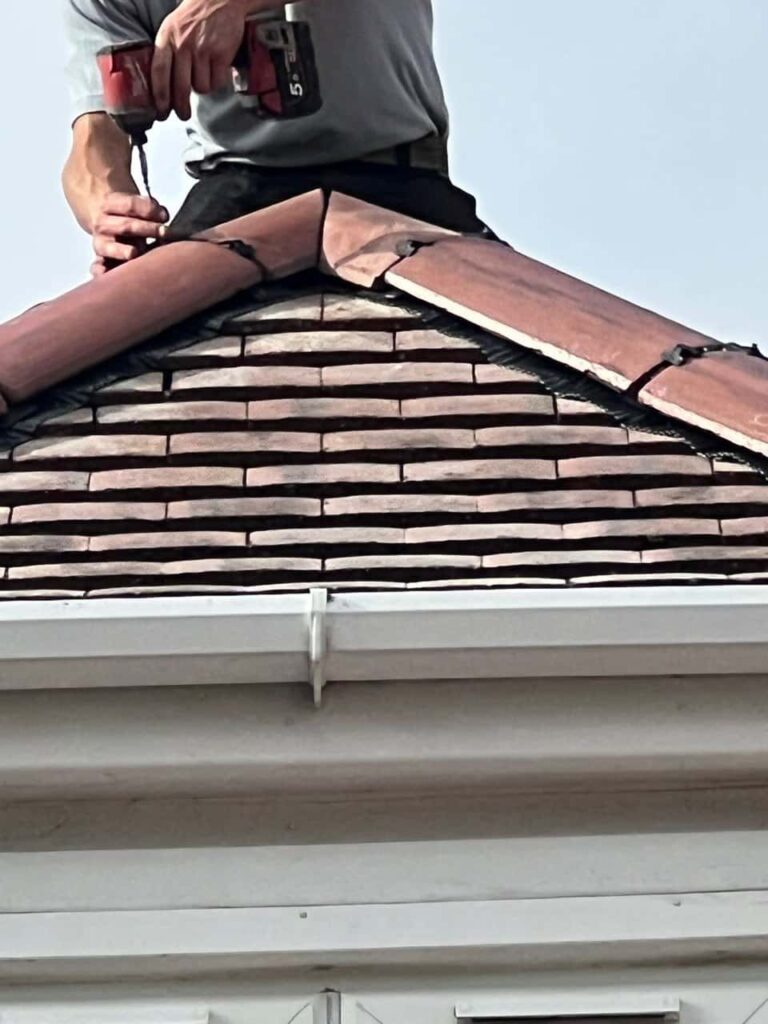
A leaking roof can cause more than an inconvenient damp patch on a ceiling. If water continues to enter a property, it can damage plasterwork, affect insulation, stain interior finishes and contribute to timber deterioration. Identifying the source of a leak and arranging suitable repairs promptly can help prevent a minor roofing issue from becoming a more extensive problem.
For homeowners in Saxilby, Derbyshire, understanding the common causes of roof leaks can make it easier to recognise warning signs and take appropriate action. Whether the problem involves damaged tiles, deteriorating flashing or blocked roof drainage, professional roof leak repairs can help restore the roof’s ability to protect the property.
What Are the Common Causes of Roof Leaks?
Roof leaks can develop for several reasons, and the visible signs inside a property do not always indicate where water is entering. Water may travel along roof timbers or beneath roofing materials before appearing on a ceiling or wall. Finding the actual source is therefore an important part of effective repair work.
Damaged or Missing Roof Tiles
Roof tiles and slates help form a protective barrier against rain. Cracked, slipped or missing sections can expose the layers beneath, allowing water to penetrate the roof structure.
Damage may occur through weather exposure, accidental impact or the gradual deterioration of roofing materials. Homeowners may notice broken tiles on the ground, gaps in the roof covering or damp patches in the loft after rainfall.
Replacing damaged materials and checking the surrounding roof covering can help restore protection and reduce the risk of further leaks.
Faulty Roof Flashing
Flashing is used around vulnerable junctions, including chimneys, roof valleys and certain roof-to-wall connections. Its purpose is to direct water away from areas where the roof covering meets another surface.
If flashing becomes loose, cracked or deteriorated, water can enter through these junctions. Leaks around chimney breasts or near roof intersections may indicate a problem in these areas, although a proper inspection is needed to confirm the cause.
Suitable repairs should address the affected flashing and the surrounding materials rather than simply covering the visible gap.
Blocked or Damaged Gutters
Gutters and downpipes carry rainwater away from the roof and property. When they become blocked by leaves, moss or debris, water may overflow and affect external walls, roof edges and adjoining building materials.
Damaged gutter joints or poor alignment can create similar problems. Regularly checking drainage components and removing accumulated debris can help maintain proper water flow.
If dampness appears near the eaves or external walls, it is worth checking whether the roof drainage system is contributing to the problem.
Deteriorating Roof Valleys
Roof valleys channel water from adjoining roof slopes towards the drainage system. Because they collect water from relatively large sections of the roof, damage or deterioration in these areas can lead to persistent leaks.
Debris accumulation, damaged valley materials or failing joints may interfere with water flow. Professional inspection can help establish whether cleaning, local repairs or replacement of damaged components is required.
Ageing Roofing Materials and Previous Repairs
Roofing materials gradually deteriorate through exposure to changing weather conditions. Older roofs may develop weakened coverings, failing seals or defects around roof penetrations.
Previous repairs can also become vulnerable if unsuitable materials were used or the original cause of the leak was not resolved. Repeated damp patches in the same area may indicate that the underlying problem remains.
A thorough assessment helps identify the cause and determine a repair approach that addresses the defect rather than just its visible symptoms.
Warning Signs That Your Roof May Be Leaking
Some roof leaks are obvious, while others develop gradually. Recognising early warning signs can help homeowners arrange an inspection before further damage occurs.
Look out for:
- Brown or yellow stains on ceilings and upper walls.
- Peeling paint, bubbling plaster or damp patches.
- Water droplets appearing during or after rainfall.
- Musty smells or signs of persistent moisture in the loft.
- Daylight visible through gaps in the roof covering.
- Damaged tiles, overflowing gutters or deteriorating flashing visible from the ground.
These signs do not always confirm a roof leak, as plumbing faults and condensation can produce similar symptoms. A professional assessment can help distinguish between possible causes.
How to Prevent Further Damage After Discovering a Leak
If you notice water entering your home, take sensible steps to limit damage while arranging professional assistance.
Move furniture and belongings away from the affected area and use a suitable container to collect dripping water where safe. If water is near electrical fittings, avoid touching the affected equipment and seek appropriate assistance.
Do not climb onto a wet or damaged roof to investigate the problem. Roof work can be hazardous, particularly during poor weather. Instead, note where the water appears, when the leak occurs and whether the problem becomes worse during heavy rainfall. This information can help a roofing professional with the initial assessment.
Avoid relying on temporary sealants as a permanent solution. The correct repair depends on identifying the point of entry and understanding why the roofing system has failed.
Why Professional Roof Leak Repairs Matter
Effective roof leak repairs require more than locating a damp patch and applying a sealant. Water can travel beneath tiles, along roof timbers and around junctions, making the source difficult to identify from inside the property alone.
A professional roofer can inspect the accessible roof covering, flashing, valleys and drainage components to identify likely defects. The appropriate repair may involve replacing damaged tiles, renewing flashing, correcting a drainage issue or addressing a wider problem with the roof covering.
Once the source has been repaired, any affected internal areas should be allowed to dry properly before damaged finishes are restored. This helps avoid covering up lingering moisture that could cause further problems.
Roof Leak Repairs in Saxilby, Derbyshire
A leaking roof should not be ignored, particularly when damp patches continue to spread or water enters during repeated rainfall. Saxilby Roofing Repairs can help homeowners in Saxilby, Derbyshire, address roofing defects and identify suitable repairs for their property.
Prompt attention to damaged tiles, faulty flashing and other vulnerable roof components can help restore weather protection and reduce the risk of further water damage.
Conclusion
Roof leaks commonly result from damaged tiles, deteriorating flashing, blocked drainage, defective roof valleys or ageing materials. Recognising the warning signs and investigating the underlying cause are essential steps towards preventing further damage.
Regular roof checks and timely repairs can help maintain the condition of your roof and protect your home from water ingress. If you have noticed damp patches or suspect a roof leak, contact Saxilby Roofing Repairs to discuss your roof repair requirements in Saxilby, Derbyshire.
Call us on: 01522 459 288
Click here to find out more about Saxilby Roofing Repairs
Click here to complete our contact form and see how we can help with your roofing needs.